As Workforce Solutions Gulf Coast continues strengthening alignment between education, industry, and economic development, one priority remains clear: preparing the region’s workforce before opportunity arrives.
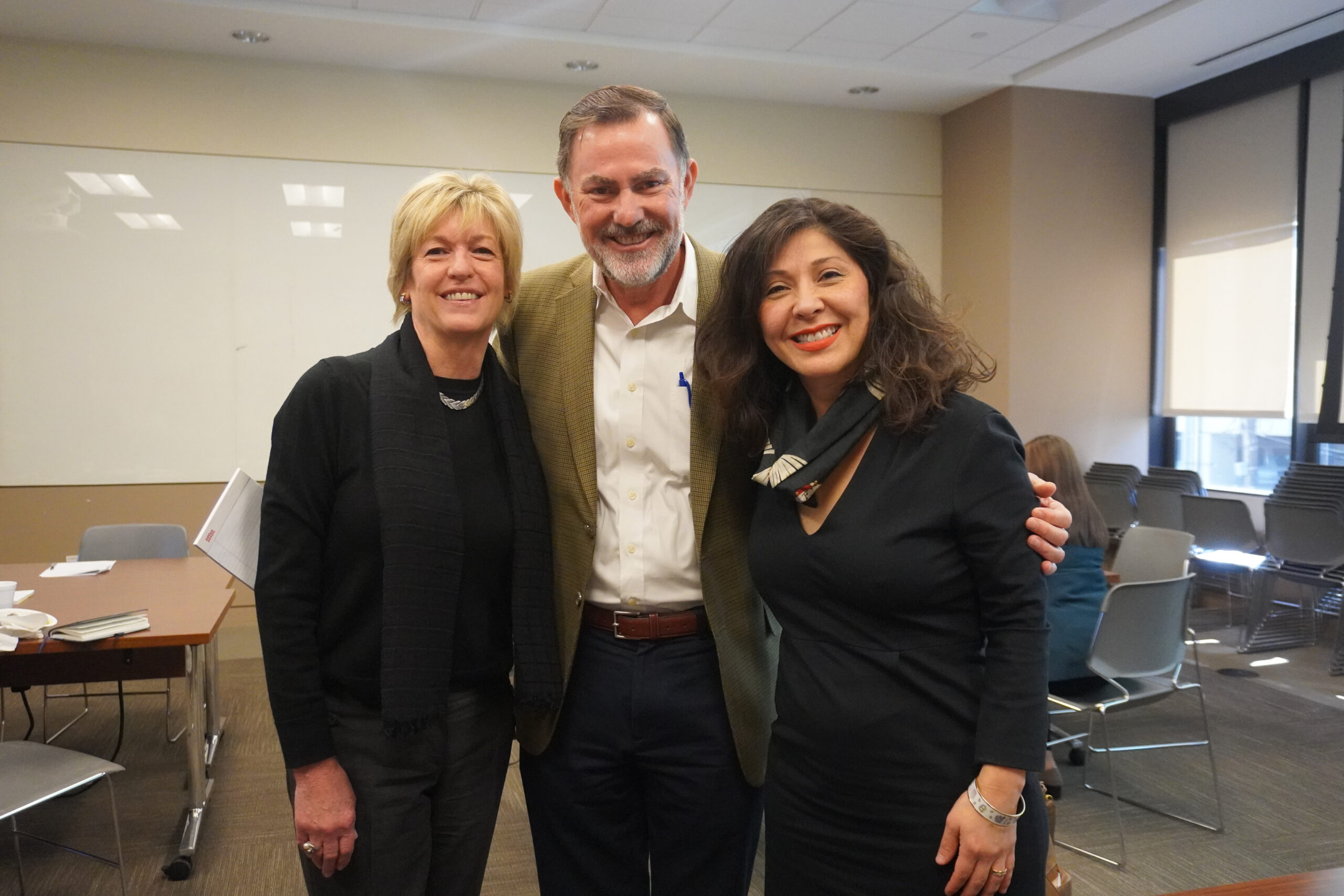
At a recent regional convening of workforce, education, and industry leaders, the message was consistent. The Gulf Coast must move from reactive workforce strategies to proactive, data-informed preparation that positions students and job seekers for industries projected to grow over the next three to five years.
From Exposure to Entry: Creating Real Industry Pathways
Hands-on exposure remains one of the most powerful workforce development tools.
In recent demonstrations, students climbed ladders, pulled wiring, and engaged in simulated electrical work environments. The power wasn’t live, but the impact was real. Students were able to see themselves in the work.
“I could do this.” That moment of realization is often the first step toward long-term career exploration, industry credentials, and ultimately registered apprenticeship participation.
Workforce Solutions Gulf Coast continues expanding work-based learning, internships, and apprenticeship pipelines that allow students to test career interests before committing to long-term pathways.
Preparing for Global Investment in the Houston Region
The Houston region is experiencing increased global attention. Employers from countries including Japan, Finland, China, and Peru are exploring or establishing operations locally. As supply chains shift and domestic manufacturing expands, work that was once completed overseas is increasingly being done in the United States—and in the Gulf Coast region.
That shift brings opportunity:
- Increased demand for skilled labor
- Expansion of advanced manufacturing and energy operations
- Growth in construction and industrial trades
- New long-term career pathways for regional talent
But opportunity requires preparation.
Economic development partners often know years in advance which companies are considering relocation or expansion. By aligning workforce training, K–12 curriculum, and higher education programs early, the region can ensure talent pipelines are ready before employers open their doors.
The goal is not to rush students into short-term solutions. It is to build sustainable pipelines aligned to verified industry demand.
Turning Data Into Direction: The High-Skill, High-Growth Dashboard
To support smarter career exploration, Workforce Solutions Gulf Coast developed a regional High-Skill, High-Growth Career Dashboard.
Built specifically for the Gulf Coast’s 13-county region, the tool allows users to:
- Explore more than 600 occupations
- Review projected job growth and annual openings
- Compare entry-level, median, and experienced wages
- Understand education and training requirements
- Identify apprenticeship pathways
- See top employing industries and key skill sets
Occupations designated as “High-Skill, High-Growth” meet key criteria:
- Wages above the regional median
- Strong projected growth rates
- Clear education and training pathways
- Alignment with employer demand
These occupations are also scholarship-eligible through Workforce Solutions Gulf Coast training providers.
The tool was intentionally designed to be user-friendly for middle and high school students while remaining robust enough for counselors, educators, and workforce professionals. By pairing real-world exposure with real labor market data, students gain both inspiration and information.
Mapping Career Mobility: Beyond a Single Job
In addition to the public dashboard, Workforce Solutions is developing a Career Pathways Mapping Tool designed for guided advising conversations.
Rather than focusing on a single occupation, the model begins with an entry-level “anchor” role and maps potential progression routes, including lateral moves, advanced credentials, and scholarship-supported training options.
The tool helps advisors answer key questions:
- What can this job lead to?
- What additional credentials are required?
- How do wages change over time?
- Which pathways remain within high-demand sectors?
The intent is to move beyond isolated job placement and toward long-term career mobility.
Aligning Education, Workforce, and Industry
Regional colleges, workforce boards, and state partners continue strengthening data-sharing efforts to better track:
- Credential completion
- Employment outcomes
- Wage progression
- Industry alignment
Access to employment data through the Texas Workforce Commission supports evaluation of how effectively programs connect graduates to jobs.
Institutions such as Lone Star College and Alvin Community College are incorporating outcome tracking and employer feedback into program design to ensure alignment with regional labor demand. State and regional funding models increasingly prioritize high-demand, high-value credentials, further reinforcing the importance of coordinated strategy.
Apprenticeship as a Proven Model
Industry partners highlighted the strength of registered apprenticeship programs across the building trades and industrial sectors.
Key features include:
- Employment from day one
- Structured on-the-job training
- Employer-supported instruction
- Wages, healthcare, and pension benefits
- Long-term career advancement
Retention improvements, including apprenticeship readiness programs, are strengthening outcomes and expanding participation among women, veterans, and underrepresented communities.
The model demonstrates a clear formula:
Employment + Structured Training + Industry Partnership = Sustainable Career Pathways
A Regional Call to Action
Across all sectors, one theme emerged: collaboration must continue.
The Gulf Coast region cannot afford to operate in silos. Preparing for industries arriving three to five years from now requires:
- Early economic development coordination
- Curriculum alignment in K–12 and higher education
- Data-informed program investment
- Sunset strategies for declining occupations
- Shared accountability for outcomes
By combining exposure, data transparency, and employer partnership, Workforce Solutions Gulf Coast and its regional collaborators are building a workforce system designed not just to respond, but to anticipate.
Explore in-demand careers and connect with top employers at upcoming Workforce Solutions hiring events. Register today to secure your spot and access career-building resources.