When people think about careers in education, teaching is often the first profession that comes to mind. While classroom teachers play a vital role in student success, schools, colleges, and educational organizations rely on many other professionals to support learning, guide students, and strengthen educational outcomes.
As education continues to evolve, demand is growing for professionals who can provide career guidance, student support, training, program management, and curriculum development. These careers allow individuals to make an impact on education without leading a traditional classroom.
According to career information published by Indeed, there are numerous education-related careers that allow professionals to support student success outside of a traditional teaching role. Here are six education-related careers worth exploring.
1. Career Counselor
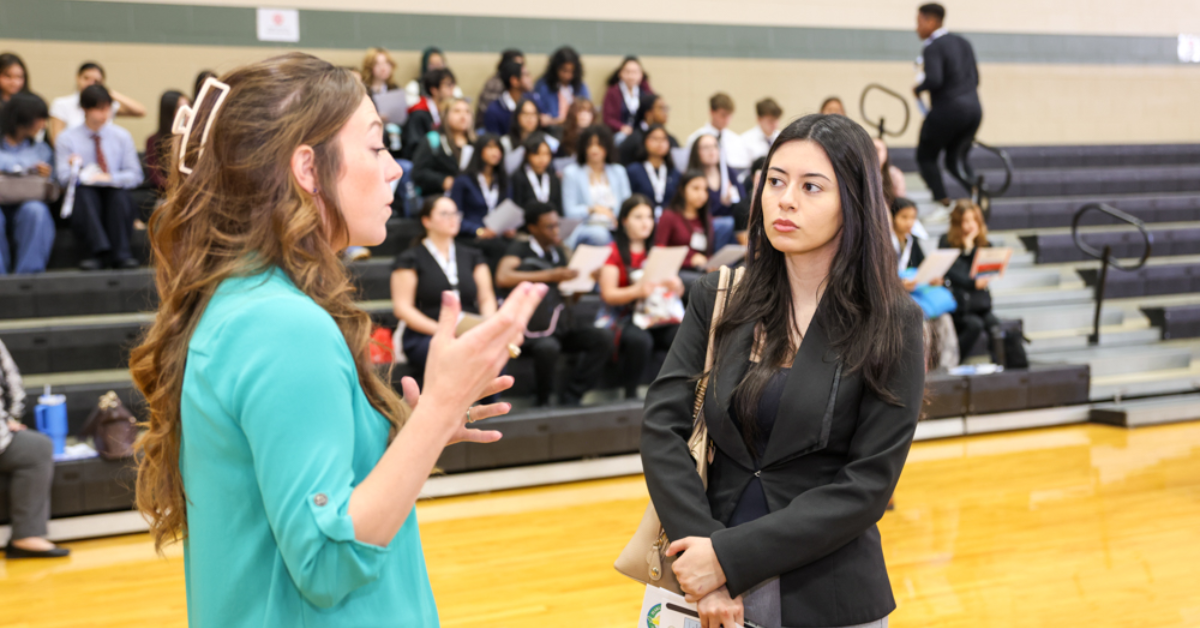
Choosing a career path can be overwhelming for students and job seekers. Career counselors help individuals identify their strengths, interests, and goals while connecting them with education, training, and employment opportunities.
Career counselors often work in schools, colleges, workforce organizations, and community agencies. They guide students through career exploration, help them understand labor market trends, and support decision-making about future education and employment.
For those who enjoy mentoring others and helping people plan for their future, this career offers an opportunity to make a lasting impact.
2. Academic Coach
Success in school requires more than subject knowledge. Academic coaches work one-on-one with students to strengthen skills such as time management, organization, study habits, and test preparation.
Rather than teaching course content, academic coaches help students develop strategies that improve performance and build confidence. They often work in K-12 schools, colleges, tutoring organizations, and student support programs.
As schools place greater emphasis on student success and retention, academic coaching continues to be an increasingly valuable role.
3. Student Coordinator
Student coordinators help create meaningful experiences that keep students engaged both inside and outside the classroom. They organize activities, oversee student programs, coordinate events, and connect students with resources that support academic and personal success.
These professionals often work in high schools, colleges, and universities where they play an important role in campus life and student engagement.
For individuals who enjoy planning events, building relationships, and supporting student development, this career offers a dynamic and rewarding pathway.
4. Child Care Director
Early childhood education plays a critical role in lifelong learning, and child care directors help ensure programs operate effectively and safely.
These leaders oversee day-to-day operations, manage staff, develop educational programming, and maintain quality standards within child care centers and early learning facilities.
As communities continue to invest in early childhood education, skilled leaders are needed to support the growth and quality of these programs.
5. Corporate Trainer
Learning doesn’t stop after graduation. Corporate trainers help employees develop new skills, adapt to workplace changes, and stay current with industry practices.
These professionals design and deliver training programs, onboard new employees, and support professional development initiatives. Many organizations across healthcare, manufacturing, technology, and business services rely on trainers to build workforce skills.
For individuals who enjoy teaching and coaching adults, corporate training offers a way to apply educational skills in a business environment.
6. Instructional Designer
Technology is changing how people learn, creating strong demand for instructional designers.
Instructional designers develop training materials, online courses, learning programs, and educational content that help students and employees learn effectively. They combine education principles with technology to create engaging learning experiences.
As schools, colleges, and employers continue expanding digital learning opportunities, instructional design has become one of the fastest-growing fields connected to education.
Workforce Solutions Gulf Coast helps connect individuals with career exploration resources, training opportunities, and labor market information to support informed career decisions. Whether you’re entering the workforce, changing careers, or exploring new opportunities, understanding the wide range of careers within education can help you find a path that matches your interests and goals.
Explore in-demand careers and connect with top employers at upcoming Workforce Solutions hiring events. Register today to secure your spot and access career-building resources.