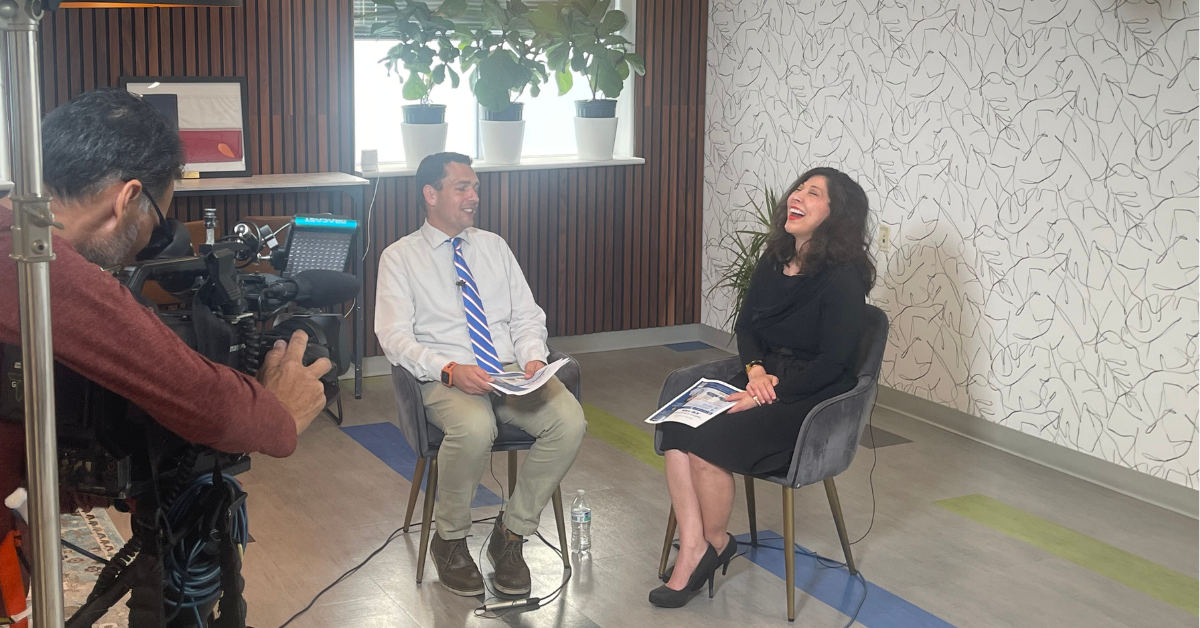
Workforce Solutions Gulf Coast Executive Director Juliet Stipeche sat down with KTRK Channel 13 reporter Nick Natario Wednesday, Feb. 18, to discuss the impact of AI on today’s job searches and the Healthcare and Biotechnology Job Fair held at Lone Star College-Montgomery.
The interview for Natario’s monthly Who’s Hiring? segment included Anna Crockett of the Federal Reserve Bank of Dallas and Omar Reid, chief person officer for Harris Health.
“When people hear ‘AI and jobs,’ they often think replacement,” Stipeche said. “The real story is transformation. AI is not eliminating work wholesale. It is changing how work is done and raising the level of skill required to do it well.”
“Across the country and globally, employers are telling us the same thing. The biggest risk is not that there will be no jobs. The biggest risk is a skills gap. Workers who adapt will see opportunity. Workers without access to training could be left behind.”
Crockett, who authored a popular article about the impact of AI on specific job categories based on research conducted by the Federal Bank, noted that AI’s great impact will be on jobs where AI has been developed to be very proficient.
“So, the better AI is at doing a task, the more it is being integrated into today’s jobs. It is the jobs that now rely on AI that present a concern for a job holder.”
These include jobs that involve writing, gathering information, and computer programming, which are more exposed to AI change, while jobs that involve operating machinery or jobs in the trades tend to be less exposed.
“It’s important to emphasize that AI-prompted change can be positive or negative for the worker, depending on how the change impacts the job,” she noted.
Reid, of the Harris Health System, described how a major company uses AI to help identify qualified workers. Harris Health supports 48 facilities across the county with more than 5,000 employees.
All agreed on one major point: AI is here to stay, and successful job seekers who utilized AI in their job searches have a clear advantage. Further, in coming years, job seekers who have an understanding of AI and how it applies in their job field will have an advantage over those who do not.
“AI can widen inequality if only some communities are prepared,” Stipeche summarized. “But it can also expand opportunity if we invest intentionally in skills.”
“The Gulf Coast has world-class healthcare institutions, a growing biotech presence, and strong education partners. If we align training with employer demand and remove barriers like childcare and transportation, we can make sure our residents are not just reacting to AI. They are leading in it.”
“This is a moment of change. And with the right preparation, it is a moment of opportunity.”
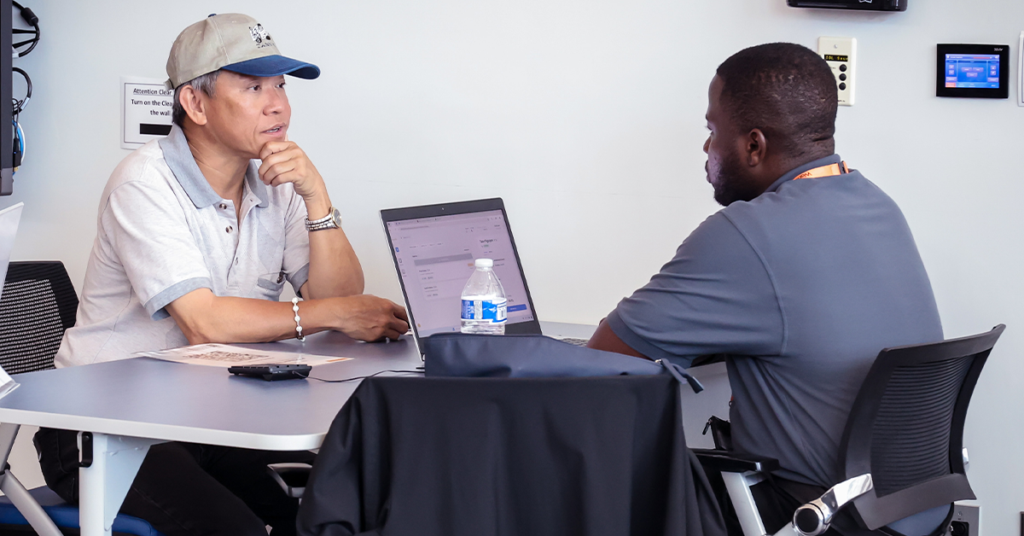
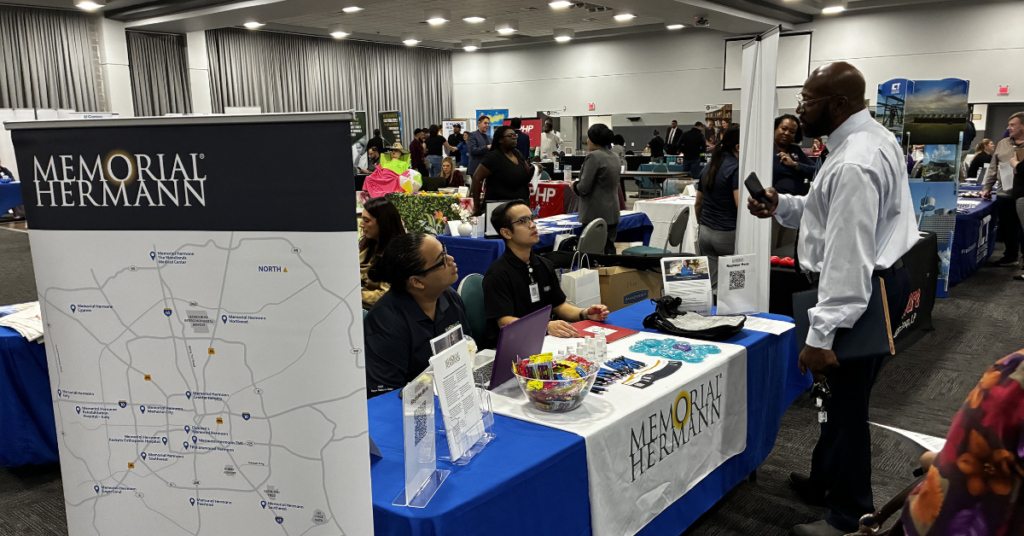
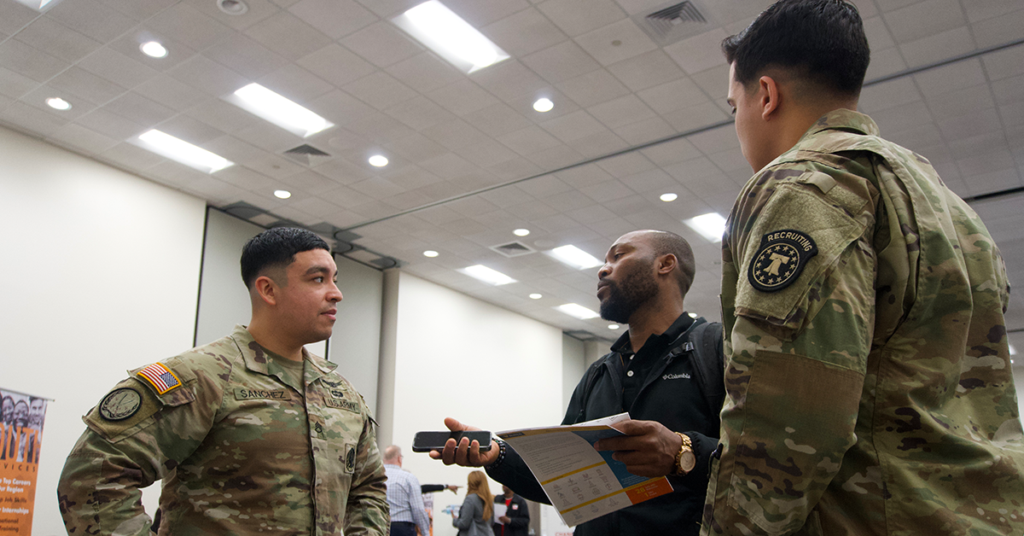
Job seekers were encouraged to bring their resumes and attend the Healthcare and Biotechnology Job Fair at Lone Star College-Mongomery on College Park Drive, held Tuesday from 10 a.m. to 2 p.m.
Natario’s segment aired twice Wednesday evening and again on Thursday, Feb. 19, and is being streamed on KTRK Channel 13.
The interview marked the second anniversary of Who’s Houston with Natario and Stipeche.
Explore in-demand careers and connect with top employers at upcoming Workforce Solutions hiring events. Register today to secure your spot and access career-building resources.