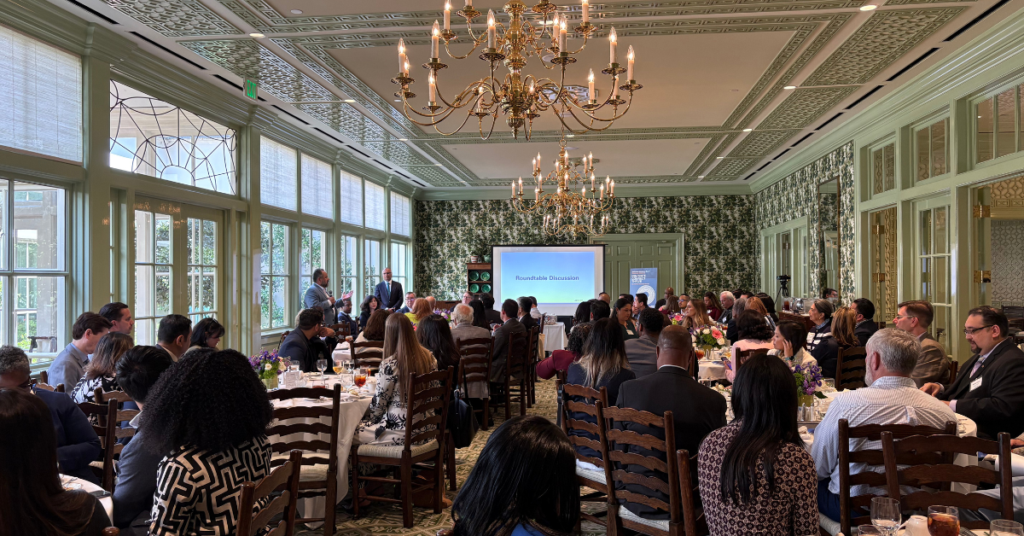
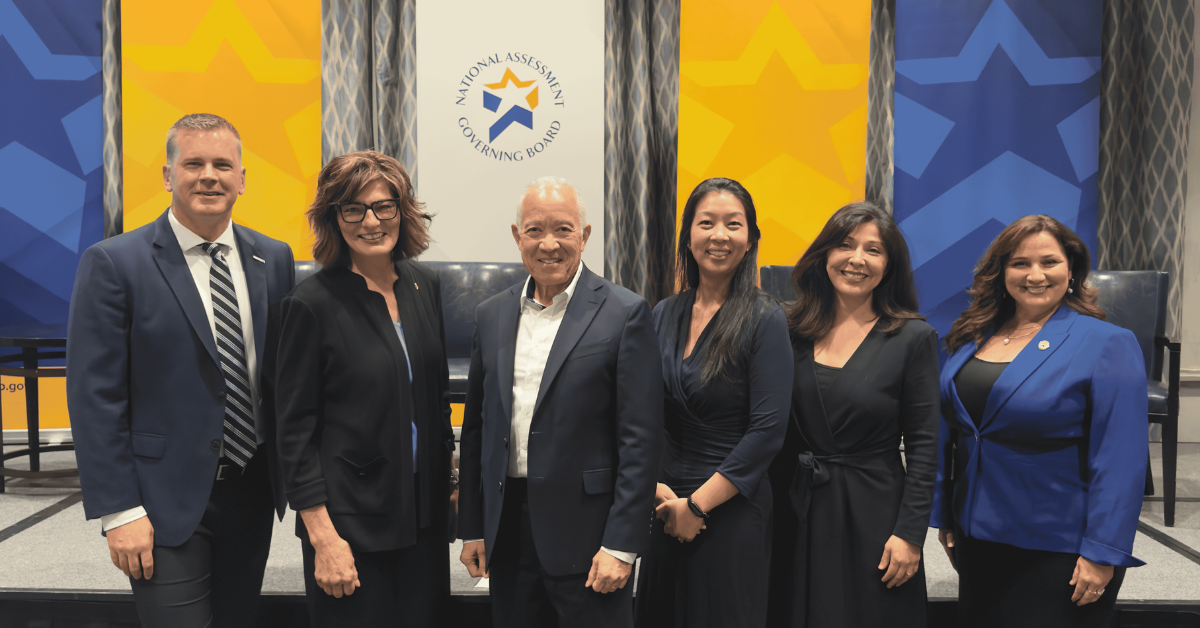
During the Why NAEP Matters panel discussion, Juliet Stipeche, executive director of the Gulf Coast Workforce Board and Workforce Solutions Gulf Coast, joined education leaders to explore how reading and math skills play a critical role in student success and long-term economic opportunity.
Often referred to as The Nation’s Report Card, the National Assessment Governing Board’s National Assessment of Educational Progress provides a snapshot of how students are performing in reading and math across the country. These results help inform conversations about education, workforce readiness, and long-term economic growth.
Recent data from Texas and Houston shows both progress and ongoing challenges.
Progress in Early Grades
In 2024, Texas fourth-grade students scored an average of 241 in reading, higher than the national average of 237. Additionally, 43 percent of students performed at or above the proficient level — a notable increase from 25 percent in 2000.
Houston also showed improvement. Fourth-grade students in Houston scored an average of 233, higher than their 2022 score and reflecting gains in both proficient and basic performance levels.
These improvements matter. Early literacy and numeracy skills are strong predictors of long-term academic success, graduation rates, and career readiness.
Ongoing Challenges in Middle School
While early grade results show progress, eighth-grade scores tell a more complex story. In Texas, eighth-grade students averaged 269—slightly below the national average of 272, with performance remaining largely unchanged over time.
Houston’s eighth-grade results also remained relatively flat, with an average score of 264 in 2024. About 20 percent of students performed at or above proficient levels, highlighting continued opportunities for growth.
These results point out the need for sustained support for students as they transition from elementary to middle school, where academic demands increase and foundational skills become even more critical.
Persistent Gaps
The NAEP data also highlights ongoing gaps among student groups. In both Texas and Houston, students from economically disadvantaged backgrounds scored significantly lower than their peers. Similar gaps appeared across racial and ethnic groups.
These differences are not just education issues — they are workforce issues. When students face barriers to foundational skills, it can affect career opportunities, earning potential, and long-term economic mobility.
Connecting Education to Workforce Success
During the panel discussion, leaders emphasized that improving reading and math outcomes is essential to building a strong workforce pipeline. Employers across industries increasingly rely on workers with strong problem-solving, communication, and analytical skills—all rooted in literacy and numeracy.
As conversations continue following the “Why NAEP Matters” panel, the data serves as a reminder: strengthening foundational skills today helps create a more skilled workforce tomorrow.
Read more about the 2024 READING STATE SNAPSHOT REPORT and the 2024 MATHEMATICS STATE SNAPSHOT REPORT here:
Explore in-demand careers and connect with top employers at upcoming Workforce Solutions hiring events. Register today to secure your spot and access career-building resources.