
Finding the right job can be challenging for anyone. For people with disabilities, the job search can sometimes come with additional barriers. But more employers are working to remove those barriers and create inclusive hiring practices that focus on talent and potential.
This paragraph should be the second one, after the introduction: With support from Workforce Solutions, you can take control of your job search from day one. From personalized assistance to easy-to-use online tools, Your Career, Your Choice, powered by Workforce Solutions, guides you through each step toward achieving your career goals.
To better understand how inclusive hiring works and what it means for job seekers, we spoke with Beth Painter from Whataburger and Myles Wallace from the Austin-based staffing firm Peak Performers. Both are members of Disability:IN, a nonprofit organization that helps businesses improve disability inclusion in the workplace.
Expanding Career Opportunities
Peak Performers has spent nearly three decades connecting professionals with disabilities to meaningful careers. According to Myles Wallace, the organization’s mission is simple but powerful.
“Peak Performers is a nonprofit staffing and recruiting agency. We’ve been in business for the last 27 years, and we look at a job as changing the world one job at a time.”
The organization helps professionals find careers across the United States, many of them with government agencies. Their work also addresses a major workforce challenge: people with disabilities continue to experience an unemployment rate significantly higher than the national average.
Why Inclusion Matters in Hiring
Inclusive hiring benefits both businesses and employees. Beth Painter, who works in talent acquisition at Whataburger, says creating welcoming workplaces simply makes good business sense.
“Companies thrive when it’s an inclusive environment. When you can tap talents from all kinds of different wells, it only makes good business sense.”
Painter also helped establish a regional chapter of Disability:IN, a business-led network where companies share strategies for recruiting and retaining employees with disabilities. The organization hosts events such as training sessions, job fairs, and symposiums where businesses learn from experts and share successful practices.
Small Changes That Make a Big Difference
Inclusive recruiting doesn’t usually require major changes. In many cases, it simply involves reviewing hiring practices and being open to reasonable accommodations.
“Oftentimes very little adjustments to your current recruitment practice and keeping an open mind throughout the process,” Wallace explains.
For example, employers might reconsider whether certain physical requirements are truly necessary for a role. Flexibility during the hiring process, such as offering video interviews, can also help more candidates participate.
Workplace accommodations are often simple and low-cost. These can include adjusted schedules, remote work options, modified equipment, accessible training materials, or interpreters when needed.
When to Disclose a Disability
One question many candidates have is whether they should disclose a disability during the hiring process.
Painter encourages job seekers to share information at the level they feel comfortable with.
“I would encourage any candidate that’s applying to disclose as they’re comfortable, to be transparent as they’re comfortable in the interview process.”
Many employers actively work to provide reasonable accommodations. These might include accessible workstations, assistive technology, or modified workspaces that help employees perform their jobs successfully.
Advice for Job Seekers
Wallace emphasizes that confidence is key when navigating the job market.
“You, as a person with a disability, are often defined by what you cannot do, as opposed to what you can.”
Instead, he encourages candidates to focus on their strengths and the value they bring to a role.
Some practical tips include:
- Apply for jobs that match your skills and experience
- Follow up after submitting applications
- Be prepared to discuss accommodations if needed
- Focus on how you can succeed in the role
“Emphasize on how you can be successful in that role,” Wallace advises.
A More Inclusive Workforce
As more employers adopt inclusive hiring practices, opportunities continue to expand for professionals with disabilities. With the right resources, preparation, and confidence, job seekers can focus on what matters most: their abilities, their goals, and the careers they want to build.
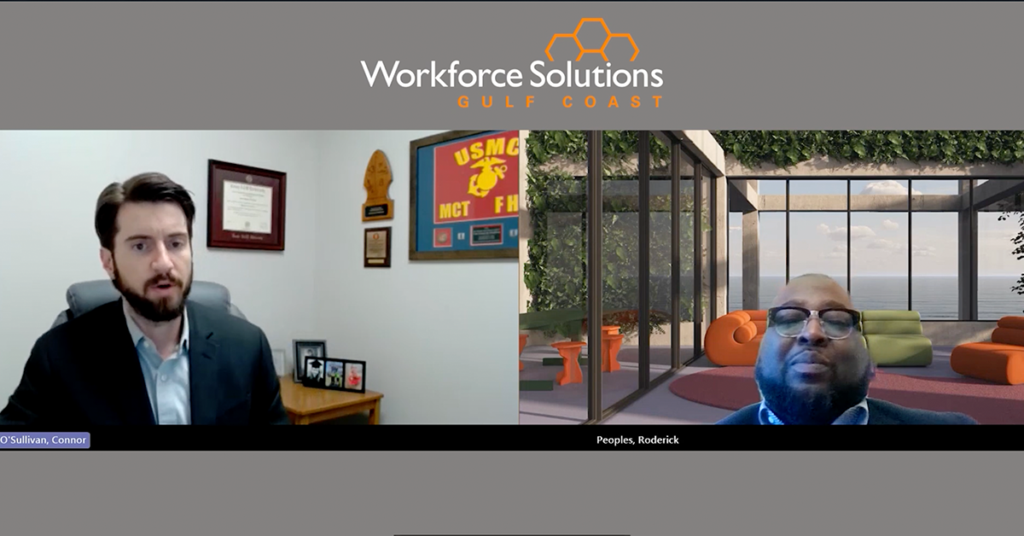
Accessing the right tools can make all the difference in your job search and career development. Watch Episode 3 to discover how Workforce Solutions can help you take the next step with confidence.
Explore in-demand careers and connect with top employers at upcoming Workforce Solutions hiring events. Register today to secure your spot and access career-building resources.